Sneezing is one of the body’s defenses that contributes to removal of various pathogenic microorganisms, foreign particles, mucous secretions beyond. Chih is optional a symptom of disease, but if the dog sneezes too often, more, if additional symptoms of ailments are manifested – it is necessary to identify the cause of this phenomenon and eliminate it. A lot of phenomena can cause sneezing and it is worth considering the most common ones.
Content
- 1. Ingestion of irritating substances
- 2. Allergic reaction
- 3. Injury and entry of foreign bodies into the nasal sinuses
- 4. The formation of polyps or tumors
- 5. Infectious diseases
- 6. Hypothermia
Irritation in the nose

People perceive the world, to a greater extent, through the organs of vision and hearing, but dogs – with the help of smell. Animals not yet seeing an object that distinguishes acquaintances from strangers solely by smell, determine gender, physiology and other nuances.
That is why dog-friendly aromas for a dog can be just unbearable. Perfumes, colognes, eau de toilette can cause Pet strong and prolonged sneezing. Pungent smells of household chemicals, new pieces of furniture, shoes and clothes can also cause such reaction.
Dogs do not tolerate tobacco smoke. They can be overcome by a sneeze if dry grass is burned nearby, or smoke comes from a bonfire. If the dog’s nose hit an irritating substance, then it will snort, shake its face, close and rub your nose with your paws. And sneezing in this case is an attempt to clear the mucous membranes of the nasal passages.
If there is no prolonged contact with the stimulus, then this condition goes away on its own. In any case, the owner must find out the cause of the sneeze and remove the object with a strong aroma away from the pet.
Allergic reaction
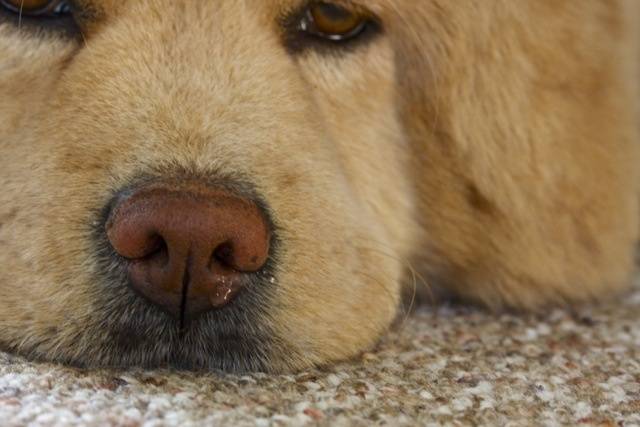
Allergy is a recent common ailment that applies not only to people, but also to pets, including dogs. Sneezing with this disease is quite common. a symptom.
An allergy can be a reaction to perfume, household chemicals, dust ticks, plant pollen, pathogenic fungi and bacteria. Often dogs are diagnosed with an allergic reaction to fleas, and some breeds are prone to food allergies.
It is not difficult to identify the ailment, since the disease is accompanied a number of symptoms besides sneezing:
- the appearance of a rash and dryness on the skin;
- intestinal upsets, colic;
- swelling of the nose;
- inflammatory processes in the eyes and nose;
- profuse flow from the nose;
- an accumulation of tear secretions in the corners of the eyes.
The pet is often worried about itching, it can comb the affected skin to blood, which increases the risk of infection of wounds and the formation of suppuration.
If you do not treat the disease, chronic dermatitis, bronchial cramps or even asthma. Treat sneezing in dogs need to be identified and, if possible, eliminating the allergen, taking antihistamines and immunostimulating drugs.
Injury and getting foreign bodies into the sinuses
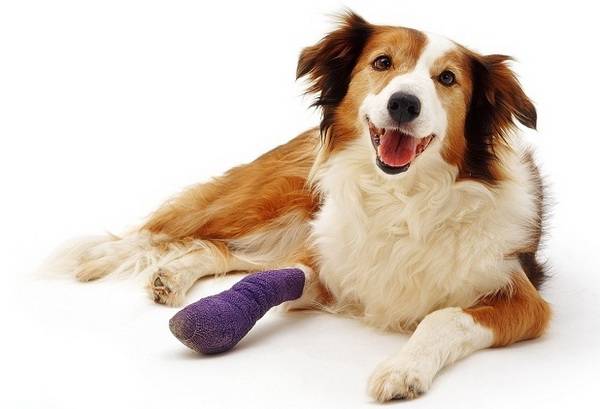
Dogs nose exploring everything that meets them on the way. Sand grains, pieces of plants, seeds, small pebbles penetrate into dog nasal passages and tickle. Naturally, the pet begins sneeze.
If something is stuck in the nose of the animal, then it commits the following actions:
- shakes his head intensely;
- rubs the paws of the muzzle;
- exhales with effort and at the same time emits a snort.
In this case, the owner is required to inspect the nasal passages dogs and use tweezers to remove a foreign object.
Of course, this can not always be done independently, because the animal often resists, and also may not be near appropriate tool. In addition, a foreign body can penetrate too deeply into the nose.
In such a situation, the surest solution is to show to the veterinarian who will remove the item using special fixtures.
Frequently sneezing signals possible injuries – maybe the dog was hit in the nose, or he hit himself, or scratched. This may be accompanied by a flow from the nose with red streaks or clots. Lesions are not always visible, therefore better play it safe and go to the veterinary clinic.
Polyps or tumors
If mucus with blood appears from a nose when sneezing in an animal, but there were no injuries, then, first of all, it is necessary to exclude the likelihood of tumor formation in the area nasopharynx.
With the development of the disease, the tumor begins to decompose, on its ulcers appear on the surfaces, they bleed and secrete purulent exudate, therefore, bloody discharge appears from the nose. When education prevents the animal from breathing, the same actions can be observed dogs, as when getting into the nose of a foreign body: the dog is strongly shakes his head, tries to rub his face on any objects or rubs the nose with his paws, breathes intensely, possibly the appearance of whistling, grunting. This pet behavior is impossible not to to notice.
Naturally, in this case, helping your pet yourself is not if possible, you need to seek professional help. To to reveal the nature of education, a piece of its tissues is taken for analysis – biopsy.
If polyps are found, then there is only one treatment method – surgical. The polyp itself and its roots are removed so that avoid subsequent relapses. In this case, you still have to further observe the pet. Benign tumors nature are also subject to disposal.
With malignant neoplasms, everything is not so simple, pet will have to undergo a long anti-cancer treatment.
Infectious diseases
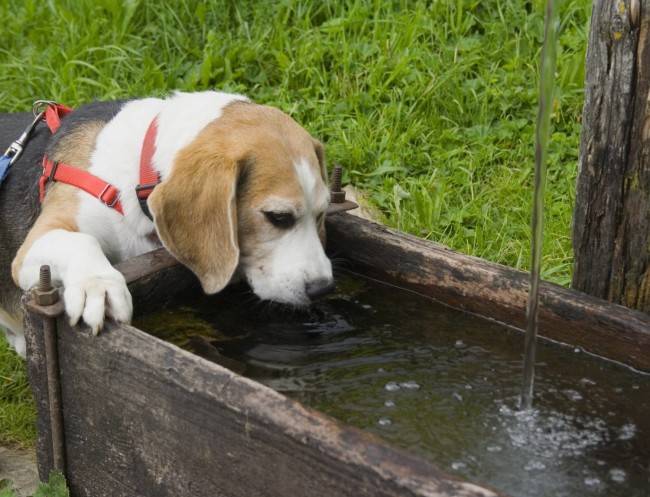
If a pet is bothered not only by sneezing, but also by a number of others Symptoms, possibly speech and children about a viral infection. She accompanied by the following conditions:
- the dog is weak and inactive;
- drinks too much;
- lack of appetite;
- there is a frequent cough;
- there is abundant mucous discharge from the eyes and nose;
- when the pet is sleeping, you can hear wheezing (manifested when damage to the bronchi or lungs).
Often, viruses affect the functionality of the digestive tract, then in a dog vomiting and diarrhea develop, feces may occur bloody streaks or clots, mucus, they may have putrefactive or sour smell. In this case, the usual fixing drugs are not effective.
Infections of bacterial or fungal origin are not always accompany such obvious symptoms:
- profuse lacrimation is observed;
- runny nose;
- conjunctival inflammation.
Most often, these signs pass against the background of a normal state pet. And only a veterinarian can accurately identify the cause diseases and choose the appropriate therapy.
Do not wait for deterioration or try on your own to solve the problem. Infections, even sluggishly flowing, adversely affect the animal’s immune systems often lead to complications after which the dog may not recover, it may be a plague, leprosy pyrosis and other fatal ailments.
To protect your dog from viruses, you must regularly to put preventive vaccinations.
Body hypothermia
With a sharp change in temperature, the pet may begin to sneeze, so how it provokes a sharp vascular narrowing or expansion. More often all this happens after walking, when the animal enters warm apartment with frost or, conversely, when the dog runs out to a walk.
This phenomenon should not greatly disturb the owners of the pet, so as is a completely natural reaction of the body. But still It is worth evaluating the conditions of the dog, try to strengthen it the immune system and take a closer look, whether the pet has any diseases. For a dog with a meager coat purchase special clothing to prevent hypothermia.
If, nevertheless, the pet after a long walk in bad weather began sneezing, coughing, chills him, and he tries to attach in a place where much warmer, then hypothermia still happened.
In serious cases, the mucous membranes become pale in the animal shells, blisters are found on frostbitten parts of the body. More often paw pads, genitals and ear tips suffer most. Temperature body begins to decline.
You should take care of the dog, providing it with “dry heat” – wrap in a blanket, place heating pads in the paw area and urgently seek the advice of a specialist.
If a dog sneezes, then this is not a reason for panic, but a signal for to look at his condition. Should take care of more a warm place for a fourth friend, you can rinse the nasal passages with warm water and when any disturbing symptom appears go to the clinic.