Scientists from the University of Sydney have found a creative way to fight with cane toads that have become the main pest of cane in the country. Reed toads, among other things, practically crowded out other local pests, so they also needed protection.
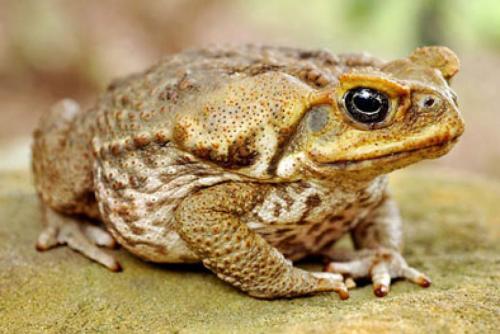
These toads were brought to Australia in 1935 from Hawaiian islands for the destruction of cane beetles, however, as a result this has led to a decline in the population of native species such as snakes, lizards and many others. Scientists are trying to control the numbers cane toads for many years but recent experiments first showed progress.
Scientists used open cans of regular cat food, to lure meat ants to the shores of ponds inhabited by toads and their cubs. After that, small toads also turned food source for ants. Because natural protective the mechanism of toads is complete freezing (numbness) when any cardiac activity is absent, as well as the release of poison from the glands on the back, then it was useless against ants.
This defensive reaction of small toads to attack is very stupid. Usually when a predator feels the taste secreted by the glands poison, he throws an allegedly “dead” frog, but with ants it’s not It works because this poison doesn’t work on them.
As a result, the results of the experiment were very impressive, meat ants attacked 98% of the toads during the first a few minutes. In addition, more than 50% of attacks immediately were fatal, and 88% of the escaped toads died within 24 hours.
In another study on spotted marten, one of the predators whose numbers were affected by toads, scientists are trying to prevent them from eating poisonous amphibians. These martens mainly eat insects, birds, rodents and amphibians. However, since reed toads are not native creatures, they were poisonous to the predator. Eventually, almost all martens have disappeared from the areas where they spread toads.
Researchers acknowledge that if they leave toads alone, then marsupial martens, in the end, simply can not stand it competition. Scientists are trying to train martens to relate the taste of these toads. with dangerous poison. They provide martens with sausages made from paws of reed toads, and thus create negative associations with this sickening poison. Nonetheless, the results in this case are less successful, and only a quarter “trained” martens no longer try to eat toads.