The term “pancreatitis” is used to mean inflammation. pancreas that occurs when produced enzymes are activated in the gland itself, and are not released into small intestine. This causes inflammation (self-digestion) of the pancreas, and can also seriously damage the liver, causing pain, discomfort and even irreversible damage.
Pancreatitis can develop in many animals, including human, dog and cat. Pancreatitis in cats can be difficult for diagnosis, because the symptoms are usually less pronounced than dogs suffering from the same disease. There is an acute form pancreatitis (occurs suddenly) and chronic (progressive and recurrent). Pancreatitis in cats is a serious condition an organism that can develop very quickly and become deadly without proper treatment.
What is the pancreas, and what does it do?
The pancreas is an organ in the digestive system, which is responsible for the production of a number of major hormones, such as insulin and glucagon. It also plays an important role in digestion, producing digestive juice that helps break down carbohydrates, proteins and other compounds in food. Pancreatitis Affects These Functions and upsets the normal functioning of the pancreas, leading to inflammation, pain, digestive upsets, and sometimes irreversible damage to the pancreas and, possibly the liver.
What are the causes of pancreatitis in cats?
To determine the cause of pancreatitis in cats, a lot of research has been done, however, a single point of view on this the question has not been reached. Sometimes pancreatitis can be caused direct injury or damage to the pancreas, exposure to poisons, such as pesticides, or infection.
Some medicines may also cause pancreatitis in a small percent of cats, including diuretics, phenobarbital and catabolic steroids. It is believed that some breeds of cats have an increased genetic predisposition to development pancreatitis such as Siamese cat and some others Oriental breeds.
Symptoms of Pancreatitis in Cats
In cats with pancreatitis, symptoms often do not appear, and external manifestations of pancreatitis in them, not as pronounced as in dogs. At dogs usually display severe pain and digestive discomfort, which may be accompanied by frequent vomiting, while as cats show only some of these symptoms, or not demonstrate them at all.
Some of the symptoms of pancreatitis in cats include:
- Lethargy and low energy
- Dehydration
- Lack of appetite and interest in food
- Vomiting (but lack of vomiting should not be taken as lack of pancreatitis)
- Low temperature in the early stages of the disease, which may progress to fever and heat
Diagnosis of pancreatitis in cats
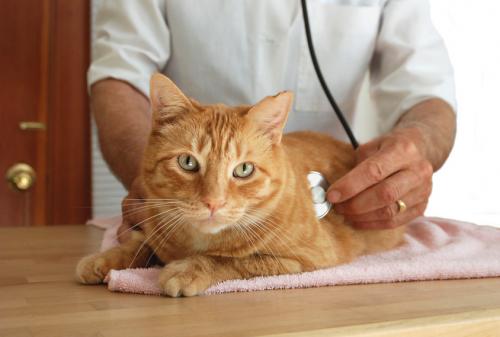
Diagnosis can be complicated, as cats often only show some symptoms of pancreatitis. Veterinarian must learn the full history of your cat’s health and lifestyle and perform a physical examination to rule out any other potential problems. Then, in order to put final diagnosis, the veterinarian may perform one or more of the following procedures:
- Take a blood sample to analyze the level of pancreatic enzymes glands in the blood
- Analysis of urine
- Biopsy
- Roentgenogram
- Ultrasound Examination (Ultrasound)
How to treat pancreatitis in cats?
Pancreatitis treatment can be complicated and requires multilateral approach. In some cases, infusion therapy is required. IN frequent and severe vomiting may require feeding through the handset. Stimulation medications may also be required. blood flow such as dopamine, vomiting suppressants, and painkillers.
Acute pancreatitis, especially if it can lead to liver failure may require a plasma transfusion and, perhaps dialysis. Pancreatitis is a serious disease in cats, quick diagnosis and treatment which will give your cat the best chances of recovery.
Treatment prognosis
How a cat responds to treatment cannot give an accurate prediction of prognosis of cure. If your cat has a good health, relatively young and received timely treatment, then she has a good chance of a full recovery in relatively short time. If your cat’s pancreatitis develops during some time, has severe symptoms, and is observed further complications such as liver disease, then, ultimately as a result, liver failure may develop, which, in its queue can be life threatening and difficult to treat.
Since the symptoms of pancreatitis in cats can be barely distinguishable, the diagnosis is often made only when they become quite pronounced. It is important to show the cat to the vet at the first sign of a disease, as it may suffer from pancreatitis, actual without showing any external signs pain or discomfort during the initial stages of the disease.