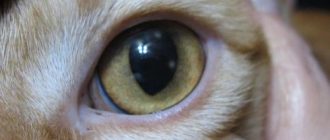
Lichen is a medical term for a fungal infection that affects skin, hair and claws of cats. The most famous of them is microsporosis, or ringworm. This disease is found in dogs and other mammals. In cats, this infection is more common in long-haired breeds than in short-haired breeds. Ringworm in cats is diagnosed mainly in kittens or young cats.
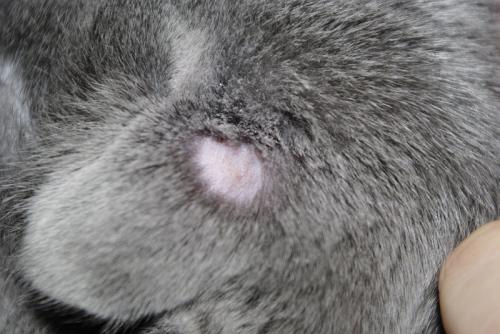
Symptoms of Lichen
In cats affected by lichen, symptoms in the initial stages associated with the death of skin cells. These cells can cause:
- to dandruff
- deterioration of the coat
- redness and skin irritation
- darkening of the skin (hyperpigmentation)
- itchy
- Hair loss (alopecia)
These symptoms usually affect a round area on the skin. A classic sign of lichen in cats is focal (circular) hair loss.
Other lesions characteristic of ringworm are nodular, rounded, or granulomatous lesions. IN folds of the skin bordering the claw can cause inflammation, also known as paranichia.
The listed symptoms are just some of the possible symptoms. ringworm in cats, many of them are asymptomatic. These types of cats that are infected with ringworm, classified as asymptomatic carriers – they carry pathogenic fungus but do not show visible signs diseases. It’s important to understand that even if they don’t look sick, these cats are contagious to humans and others animals.
Causes of infection depriving
Ringworm is by far the most A common cause of dermatophytosis (fungal diseases) in cats. Incidence varies greatly by geographic location. Areas that are densely populated by animals (e.g., nurseries or animal shelters), or which are heavily polluted and in them no quarantine, significantly increase the risk of infection deprive.
Weakened immunity or immunosuppressive drugs (factors that reduce the body’s ability to normal immune response) increase the likelihood that the cat will infected with a fungal infection of the skin, hair or nails.
Diagnostics
The veterinarian will perform a scraping of the fungal culture from the skin and spend microscopic examination of the sample. May need conduct a biopsy. Diagnostics may also require ultraviolet (Luminescent diagnostics).
Depriving treatment
Ringworm in most cats can be treated at home. ambulatory but important to consider quarantine procedures in connection with infectious and zoonotic (transmitted to humans) nature diseases. Your veterinarian should prescribe antifungal drugs. Elizabethan collar (wide collar around the neck) often recommended to prevent licking and ingestion medicines used on cat skin.
Fungal culture is the only way to control treating a cat. The condition of many animals may improve as treatment, but fungal culture can produce positive results. It is advisable to continue treatment until at least one result will not give a negative result. A blood test should be performed once a week or twice if cat gets griseofulvin or another antifungal antibiotic. In addition, a blood test will help monitor the condition. liver in cats that receive ketoconazole or itraconazole.
It is also important to understand that unprofessional medication drugs in the treatment of lichen may increase the likelihood of transition diseases in a chronic form.
Lichen prophylaxis
To prevent infection, depriving other animals is important quarantine an infected animal and check all animals in the house. Treat an infected cat properly. way to prevent relapse of the disease. Also follows consider rodents as possible carriers of the disease. If you suspect that the cat is dealing with rodents, then strongly it is recommended to take the necessary measures to eliminate pests.
FAQ
What is ringworm?
Ringworm is not a parasite, it is fungal infection. Ringworm is relatively common in cats and leads to focal, circular hair loss.
What are the main symptoms of ringworm?
The classic symptoms of ringworm in cats are skin lesions that usually appear on the head, ears and forelimbs. Lichen can lead to bald patches, which look red in the central part. In mild cases on localized areas of redness appear on the skin, or simply dandruff.
How do cats become infected with lichen?
Cats can become infected through direct or indirect contact with infected animals, through bedding, dishes, and other items that have been contaminated with cells or hair sick animals. Ringworm spores are very viable and can survive in the environment for more than one of the year.
Which cats are most vulnerable to lichen?
Any cats can become infected, but kittens are less than a year old and old cats are most vulnerable to disease. Longhair cats and immunocompromised animals are also more prone to infection.
What to do if a cat is likely to become infected deprive?
The infection could potentially spread to the whole cat’s body, therefore it is important to show her to the vet the diagnosis. And since lichen can be passed on to you and others animals, it is recommended that you immediately quarantine the animal until the vet will make a diagnosis. You must also wash thoroughly hands after each contact with the cat.
How is ringworm diagnosed?
Since some cats have virtually no symptoms, the diagnosis rarely put on the basis of appearance and physical examination. Ultraviolet light may be required for diagnosis. microscopic or cultural studies.
How to treat lichen?
Treatment for lichen depends on the severity of the infection. Vet may prescribe a shampoo or ointment containing special preparations, able to kill the fungus. In some cases, oral drugs. For the complete eradication of the fungus, it may be necessary to a few months. This is important to avoid relapse. diseases.
How to prevent the spread of lichen?
If a veterinarian has diagnosed lichen, then he must explain what should you do to prevent fungus from spread to other pets and family members. Doctor may recommend the following measures:
- Bathing or rinsing all pets with special shampoo.
- Wash all bedding and disinfect toys infected animal.
- Disposal of items that are not possible completely disinfect.
- Vacuuming frequently to clean wool and skin cells.
- Strict personal hygiene after bathing or touching cat.
What can happen if lichen is not treated?
If a cat with lichen is not treated properly, the fungus may spread to large areas of the animal’s body, leading to hair loss and skin infections.