Claw removal (onihectomy) in cats is surgical removal of claws along with the phalanges of the fingers, carried out under a common anesthesia. Surgeon can use conventional surgical an instrument, such as a scalpel, or a CO2 laser. Remaining cuts usually closed with surgical glue or absorbable sutures. After surgery, the cat can be hospitalized for one or two nights, and from the medicine she may be prescribed antibiotics and (or) painkillers. Most cats return to normal within 7 to 14 days.
How to care for a cat after a claw removal operation?
To ensure safe and quick recovery of your cats, follow the recommendations:
- Tray for the toilet. Replace for 5-7 days ordinary filler on the one in which there is no dust, or which consists from paper. If your pet refuses to use such filler, then add a little of the usual on top and shake the tray, so that small particles settle down. During this period is prohibited use clumping filler. This is important because small granules can adhere to surgical incisions, and thereby cause pain and possible infections.
- Physical exercise. Limit activity Cats are hard, but it needs to be done. As much as possible, prevent your cat from jumping on furniture and upright surface during the first week after surgery, by restrictions on access to them. If you see your cat sitting high on furniture, do not scare her so that she does not jump, but help her. Cats usually use their hind legs when jumping, therefore, they can injure surgical sutures when they are land on the front.
- Bleeding. Sometimes cats damage the incision, which may result in a few drops of blood. Blood should quickly curl up and form a small clot. If you observe non-stop bleeding, then you should report this to the clinic. Do not attempt to clean your feet and apply. any medications for your cat without consulting by the veterinarian. Use hydrogen peroxide strictly prohibited!
Are there any negative aspects to claw removal? cats?
After removal, it is advisable to keep the cat indoors. Studies on this topic have shown that cats with claws removed are at greater risk of being bitten and injured by other cats. Moreover, they can protect themselves worse when meeting other predators.
When is it necessary to contact a veterinarian?
You should contact your veterinarian at any of the following cases:
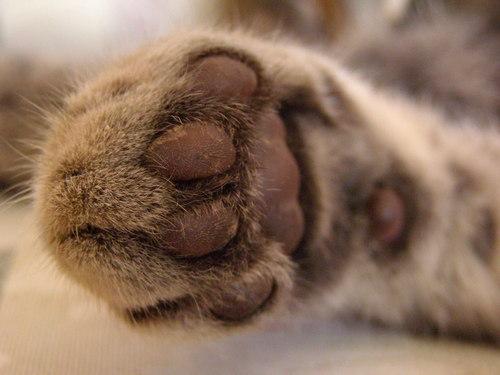
- Your cat’s paws look swollen and you see frequent or heavy bleeding.
- Your pet refuses to walk after 4-5 days of rest at home.
- Have you noticed a change in the overall health of the cat, in its behavior or if she stopped eating for two days contract.
If you have any questions or concerns about your cats after claw surgery, please contact to a veterinary clinic or to your veterinarian.