
Paints, varnishes, enamels and various solvents are different varieties … and most of them are dangerous for dogs and cats. Most water-based paints are common, including latex and tempera. Other paints are based on solvents and oils. Old paints and paints can be made on the basis of lead, although its use in paints is limited today. But, some paints for artists still contain lead, which is necessary to provide certain yellow shades.
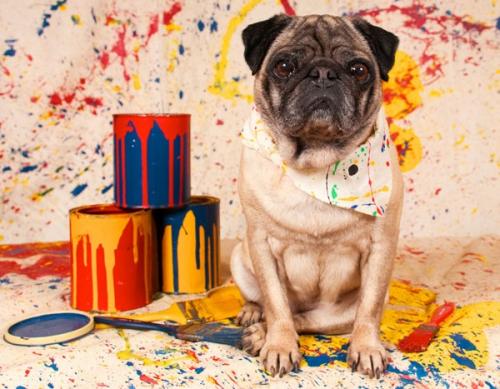
By nature, many pets are very curious and can easily pass over a newly painted surface. Your a dog or cat may swallow a small amount of paint that could remain on their paws or wool
What varnishes and paints are dangerous for dogs and cats?
- Lead-free paints are safe enough, and often they cause only mild gastrointestinal upsets. These paints generally do not cause much concern. very low impact, however, some paints contain a small concentration (5-10%) of glycols, including ethylene glycol (antifreeze that is very dangerous for dogs and cats in concentrated form).
- Water based paints can cause irritation of the skin and mucous membranes of a dog or cat, but they rarely cause poisoning. However, a large number swallowed paint may cause nausea and vomiting.
- Most latex paints are considered non toxic. However, large volumes when hit by mouth, may cause clinical signs such as depression respiration, metabolic acidosis (too much acid in the body), and crystals in the urine. Without contacting a specialist, this may cause permanent damage to the kidneys.
- Oil based paints and varnishes are most dangerous because they contain solvents that may accidentally enter the lungs (e.g., as a result of vomiting), and may have a laxative effect. Greatest danger of these substances is pneumonia and shortness of breath. Oils can also act as a lubricant in the intestines and thus cause diarrhea. Heavy metals such as lead, cadmium and cobalt can be added to paints and inhibit metabolic activity (metabolism) in the body. Poisoning can occur with prolonged (chronic) exposure, but may be acute when taken a sufficient amount of toxic substance.
Paints and varnishes should be used in well ventilated indoors to avoid respiratory irritation and dizziness in people and pets.
How much paint can be safe or toxic to cats and dogs?
In fact, there is no certain amount or “poisonous dose” of paint, as the size and the weight of your pet, as well as the composition of the paintwork. A small amount or touch of the paint is probably not will cause significant symptoms. Except when your a dog or cat drinks paint containing heavy metals, this it’s rare for an animal to drink enough undiluted paint, which can be a serious danger. However, if you know or suspect that your cat or dog might contact with the paint, contact your office as soon as possible to the veterinarian for the necessary instructions.
What to do if a cat or dog eats or licks paint (or breathing in pairs)?
Call your veterinarian or veterinary clinic hotline! Sooner you get instructions, the better the prognosis and treatment will be with your pet.
Important: do not induce vomiting and do not give anything to your pet, unless agreed upon with your veterinarian. It may make the situation worse!
What are the symptoms of paint poisoning in a dog? or cats?
In an animal, within hours of exposure to paint The following symptoms may develop. If you see any of of these symptoms, then contact your veterinarian immediately:
- vomiting
- diarrhea
- lack of coordination or difficulty walking or standing standing (intoxicated)
- depression and lethargy
- tremor
- labored or heavy breathing
Is there an antidote to paint poisoning in animals?
There is no general antidote to paint poisoning in dogs and cats. exists. There are separate compounds that are directed against lead and other heavy metals, and can rid the body of their exposure. In rare cases, when timely treatment of poisoning with ethylene glycol (antifreeze), may be ethylene glycol antidote used.
How to treat poisoning with paint or varnish?
If your dog or cat has just swallowed paint, you are not should cause vomiting. This will increase the chance of paint getting into your pet’s lungs, which is very dangerous. Give your pet a small amount of water.
If the animal is smeared in paint, then quickly wash it off with wool and skin with a mild liquid soap or trim carefully stained wool. Be careful not to hurt the skin of the animal, it’s better to leave a small amount of paint than to injure pet. Never use stain removers, white spirit and other solvents without consulting a veterinarian.
If your pet has developed persistent vomiting and / or diarrhea, It’s very important that you contact your veterinarian as soon as possible. The vet may need to inject fluids intravenously, to avoid dehydration. In case of diarrhea, it is often necessary change the diet of the pet. In case of inhalation of paint vapor and development aspiration pneumonia requires hospitalization and use antibiotics until the animal can breathe fine.
How to prevent poisoning with paint or varnish at home animal?
There are three main ways to reduce probability poisoning to a minimum:
- Use safe paint products and store them outside. the reach of your pet.
- Carefully remove waste from paints and varnishes and cleaning products.
- Keep pets away from stains until the paint dries and the area is properly aired.