What is vestibular syndrome?
The vestibular apparatus is responsible for maintaining balance. The vestibular apparatus has central structures located in the brain, and peripheral, located in the inner and middle ear.
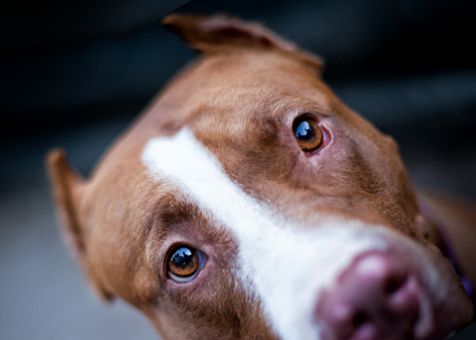
Vestibular syndrome in dogs refers to sudden non progressive imbalance. Usually found in old dogs. In older dogs, this condition is also often diagnosed as idiopathic vestibular syndrome (arising for no apparent reason).
What are the symptoms of the disorder?
Most dogs experience sudden loss of balance, disorientation, tilting the head and involuntary twitching of the eyes, known as nystagmus. Many dogs cannot stand or walk. Most dogs lean or tilt. heads.
What are the causes of vestibular disorder?
Causes of vestibular syndrome may be infections. inner or middle ear medications that toxic to the ears, hypothyroidism, as well as trauma and swelling of the ear. If the root cause cannot be determined, the diagnosis is made idiopathic vestibular syndrome. Such disorders are different. the sudden onset of clinical signs and their rapid improvement with minimal medical intervention.
How is vestibular syndrome diagnosed?
The diagnosis is based on medical history, clinical symptoms and results of urine and blood tests. In some cases X-ray of the head is required to evaluate the mean and internal an ear. Sometimes magnetic resonance imaging (MRI) is also used. or computed tomography (CT) scan.
Diagnostic criteria for idiopathic vestibular syndrome are:
- Old dog
- Sudden onset of symptoms
- No causes, no infections of the internal or middle ear, no injuries, hypothyroidism, etc.
- Symptoms improved over several weeks.
Treating vestibular symptom in dogs
Treatment of both central and peripheral vestibular the syndrome depends on the cause of the disease, if it has been determined. In severe cases, maintenance therapy is used and hospitalization until the dog can eat and walk on its own. If the animal is severely disoriented or ataxia is observed (violation of coordination, cannot walk or stand), he can sedatives are required. Antibiotics may be used in cases of ear infection.
What is the prognosis for dogs with vestibular syndrome?
The clinical symptoms associated with the syndrome are often the most heavy during the first 24 or 48 hours. Animal condition like usually improves within 72 hours. Head tilt and ataxia improve within 7 to 10 days. Most dogs are completely recover within two to three weeks, although some will have residual symptoms, such as a slight tilt of the head. If the animal’s condition does not improve or worsen, then look for the root cause of the disorder and conduct thorough diagnostic examination.