
Aspirin (acetylsalicylic acid) is non-steroidal anti-inflammatory drug used to treat mild and moderate pain, to reduce inflammation and lower fever. AT in veterinary medicine it is most often prescribed to cats to prevent the formation of blood clots.
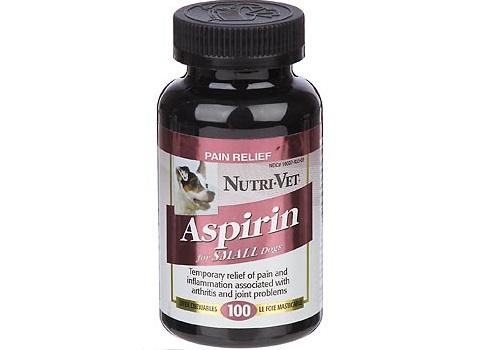
How to apply aspirin?
- Use aspirin only as recommended by your veterinarian. Read the label and instructions carefully.
- Use the drug after meals or with food.
- If the drug is in liquid form, then dosage with reasonable care.
- Use the drug at approximately the same time each day.
- Do not give your pet more medication than prescribed.
- Try not to miss a single dose of aspirin.
What to do if you missed one appointment?
Give the right dosage of aspirin as quickly as possible. If it’s almost time for the next appointment, it’s just continue to use the drug as usual. Don’t give Your pet (for example, a cat) has two dosages at once.
How to store aspirin?
- Keep aspirin out of the reach of children.
- Store the medicine in a cool, sufficiently dry place when room temperature. Keep the drug away from direct sunlight. rays and heat sources.
- Do not use aspirin if it has a strong odor similar to vinegar, it means that it has deteriorated.
- Do not store in a bathtub, near a sink, or in wet places. The medicine may deteriorate when exposed to moisture and heat.
What are the possible side effects?
- Your pet (dog or cat) may have some indigestion, which can lead to vomiting and / or loss appetite. If these symptoms persist, refer to to the vet.
- Some other side effects may occur. If you If you notice anything unusual, then contact your veterinarian.
Interaction with other drugs
- Inform your veterinarian about any other medicines that you give your pet.
- Veterinarians often prescribe two different drugs, which can interact with each other. In this case, the veterinarian may vary the dose and / or control your pet more carefully.
- Aspirin may interact with the following medicines: acetazolamide, sodium bicarbonate, methionine, ammonium chloride, ascorbic acid, furosemide, phenobarbital, phenylbutazone, corticosteroids, heparin, penicillin, sulfonamides, probenecid, sulfinpyrazone, spironolactone, methotrexate, valproic acid, phenytoin, tetracycline, digoxin, aminoglycosides, captopril, enalapril and propranolol.
- If your pet experiences any unusual reactions with using different drugs, then inform your the vet.