
Rats … a mere mention of this word can scare many people, however, for many of us, it’s cute, charming and interesting creatures. Among other things, rats are very smart and active, and perfect as pets as children, so for adults.
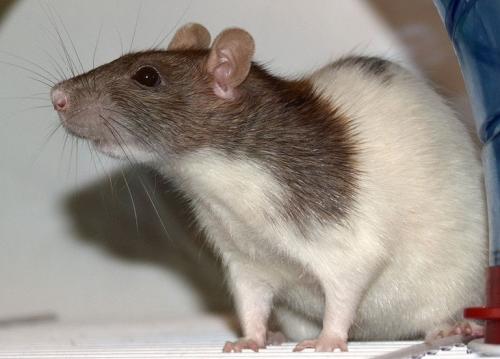
There are many different types of rats, and most often The found home decorative rat is just one of them. Other species that live in the wild and, according to rumors, spread plague and disease, these are completely different rats that not at all like decorative ones. Next, let’s look at maintenance and care of rats by the example of decorative ones.
One, two or more?
Rats are social animals and they live in the wild family groups. When kept in captivity, rats should keep at least two, but content is preferable groups of three or four to have fun and they remained active for as long as possible. Remember that if you will keep rats of different sexes, then this will soon will turn out for you replenishment with new babies!
All tamed rats generally like to contact and play with people and can even become very attached to their masters, however, the owner’s attention cannot replace him with his social structure. To play and fight each other for rats is common business, they sleep in nests together, look after each other, clean each other, and thereby have fun.
Rats as pets live from two to three years, and sometimes longer, for this it is recommended to breed young rats approximately same age as an already formed group to bring them together the struggle in the new home is minimized.
Equipment
When choosing a cage for your pets, get the largest, which you can. Minimum space required for one decorative rat, this is a cube with a side of 30cm.
Rats are very active at night, when they like to run and play with each other. The bars of the cage should be close enough to each other to prevent escape, but also far enough, to avoid jamming paws. Rats love to climb and climb as high as possible, so install several shelves in the cage or bars at different levels, put several in a cage safe toys for rats, and also do not forget about pipes – tunnels through which it will be possible to crawl.
It is also important that the cell is well ventilated, as urine rats have a very high level of ammonia. For this reason glass or plastic containers are not suitable for rats as housing.
To sleep in a cage, you need to install one or two hammocks, as well as a small box for nesting. The bottom of the cage should be laid out newspapers or soft towels, you can also use feline paper based tray filler. Other types of fillers, such as wood chips, sand or alumina – not suitable for rats. For rats, you also need to install a food bowl and a special a bottle of water – a drinker that needs to be attached to the cage in within easy reach.
Feeding
Rats need special feed for pets. Food for hamsters and gerbils is not suitable for rats, as they have different nutritional needs. You can also mix different feed or cook your own at home using various combinations of rice, wheat, millet, millet, barley, oats and vegetables.
Rats are omnivorous, which means that they eat both meat and vegetables. Rats love slices of lean meat, dog food and even flour worms. However, you must ensure that your rats do not receive too much protein in their diet, as this can lead to health problems. There are many different ways to prepare your food for a decorative rat, spend a few experiment and find out which one suits you best and which one like your rats.
Do not forget that your rats need constant access to clean and fresh water.
Handling and games
To keep rats tame, you must pet and play with each of them on a daily basis. You must strive to to play with them for about an hour or more per day, but no less half an hour.
Rats are rather fragile creatures, therefore, to avoid injuries or fright, handle and iron them carefully. Never grab the rat by the tail, and when you lift it, always support her by the body. In general, rats like more to climb people, and not when they raise their hands.
Tame rats do not usually bite, but females sometimes bite into self-defense when they are pregnant or have children. Aggression of males is sometimes noticeable and often accompanied by characteristic odor that is absent in case of castration pet. Also be careful when feeding rats a treat with hands, as they may accidentally bite you.
Care
It is necessary to remove droppings from the cells in rats on a daily basis, spilled water and food debris, and at least once a week, you need clean it thoroughly. Remove all bedding, toys and other foreign objects, clean the cage and wash it the interior using a safe disinfectant, and Remember to replace the paper and other backing in the cage.
Check your rat’s general health daily when clean them. Be alert to any signs of illness or injuries, as well as to their sharp fluctuations in weight.
Rats love to explore the territory and can run outside cells so you can release them in a safe for escape indoors. Make sure there are no foreign wires in the room and cables, as well as any holes where they can crawl through.
When you do everything right and tidy, caring for a rat can to be very useful not only for the pet, but also for its owner. remember that, like any animal, to live a prosperous life, the rat needs daily care. Before you take the decision to get a rat as a pet, make sure that you are ready to spend your time and effort necessary to save rats happy and healthy throughout their lives!