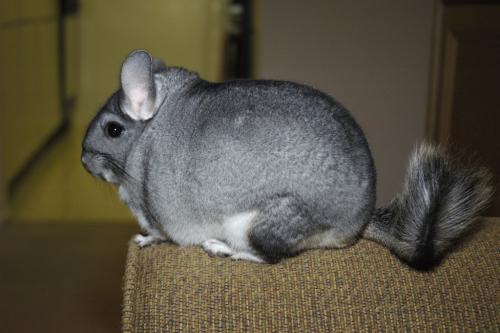
Chinchillas have an exceptionally long lifespan for rodents, which is often an attractive and decisive factor when choosing a pet. In their natural habitat in The Andes of South America they usually live between 8 and 10 years old however many chinchillas at home live from 15 to 20 years. In order to maximize chinchilla life span, large proper care matters.
In wild nature
Chinchillas live in the foothills in the areas of Peru, Chile, Bolivia and Argentina. In the wild, they live on average no longer than 10 years. Owls and other birds of prey, as well as foxes and wild cats are the main threats to life in chinchillas, and often do not allow reach them with their biological potential.
Another big threat to the lives and populations of these rodents represents human activity. Chinchilla fur has a large value for sewing clothes, and despite the fact that hunting for them is illegal, it is still ongoing. Besides, human impact on the natural habitat animals reduces their habitats and the population as a whole.
At home
Like most other animals, at home, chinchillas live much longer, up to 20-25 years. The oldest registered chinchilla nicknamed “Radar” lived 29 years and 229 days and died September 18, 2014 in Acton California USA. She was born in Germany on February 1, 1985, but then with owner moved to America in 2002
As pets, chinchillas obviously do not become victims of predators and hunters, which significantly increases their potential life expectancy. And besides, like homework pets they are equipped with all the necessary food and should no longer fight for life in a harsh wild climate. Veterinary care also helps to increase their quality and life expectancy.
How to increase the life span of a chinchilla?
Nutrition is critical to maintaining chinchillas in healthy form. Specially suited for these rodents developed foods without nuts, seeds, dried fruits and corn. Nuts, for example, are very fatty foods for them, which in large quantities can provide a major blow to animal health. Chinchillas need constant access to hay from timothy, clean and fresh water, as well as toys and other items, which can be safely nibbled.
It is also important to provide chinchilla with ample space for displacement, and at least one companion: these animals They are used to nesting in packs and do not like to live alone. Hygiene The environment will also contribute to longevity. Daily change dirty litter and old food for new ones. Clean the cage Recommended on a weekly basis. And of course spend regular inspections and pay attention to any possible changes and problems.
Tips & Considerations
Unlike other rodents such as hamsters, mice and marine pigs, chinchillas as pets live significantly longer. And this is important to consider, because the content of chinchillas can be potentially a 20 year commitment. That means all this time you will need to clean the cage, fill the drinker with water, buy feed. And a lot of things besides this: litter, toys, bowls, games, care arrangements when you will absent. And also do not forget that ideally chinchillas should keep at least in pairs, so you might look after will be in more than one chinchilla.